
A driveway takes on a lot, like vehicle traffic, rain, sunlight, oil spills, and temperature changes. Over time, these factors can cause cracks, fading, and general wear. Driveway Sealing helps slow that process down. It adds a layer of protection that keeps your driveway looking cleaner and lasting longer.
In this guide, the Driveway Sealing experts will cover what sealing is, how often to do it, the best timing, what materials you’ll need, and if it’s worth doing it yourself or calling a professional.
What Is Driveway Sealing and Why Does It Matter?
Driveway Sealing is the process of applying a specialized coating to the surface of asphalt or concrete. This coating acts as a barrier between the driveway and damaging elements like water, salt, UV rays, and oil leaks.
Regular sealing keeps the surface from becoming brittle and makes it more resistant to cracking. It also gives the driveway a darker, cleaner appearance, helping it look newer for longer. Without sealing, asphalt can start to break down in as little as a few years due to oxidation and exposure to moisture. Concrete, while tougher, can still stain and develop surface wear that shortens its life span.
In short, sealing helps extend the life of your driveway, reduces maintenance needs, and improves curb appeal.
How Often Should You Seal a Driveway?
Most homeowners should plan to seal their driveway every two to three years. However, the ideal schedule depends on the material, climate, and usage.
If your area gets harsh winters with frequent freezing and thawing, you may need to seal more often. Every two years is usually enough to prevent cracks from expanding. Driveways in warmer, drier climates can typically go a bit longer between applications.
You’ll know it’s time to reseal when the surface starts looking faded, rough, or shows small cracks. A quick test: sprinkle some water on the driveway. If it absorbs quickly instead of beading up, the old sealer has worn away.
When Is the Best Time of Year to Seal a Driveway?
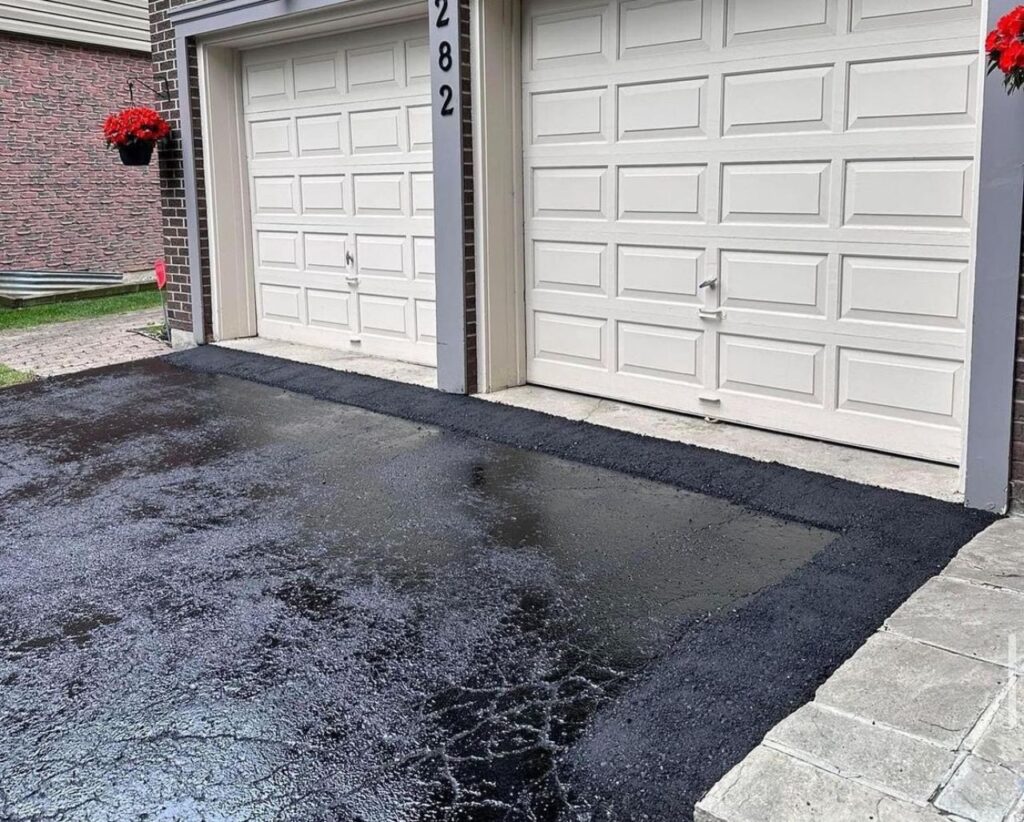
Temperature and humidity make a big difference in how well the sealer cures. The best time to seal a driveway is during late spring through early fall, when temperatures are consistently between 10°C and 25°C and rain is unlikely for at least 24 hours.
Cool or damp conditions can cause the sealer to dry unevenly or peel. Hot weather, on the other hand, can make the sealer set too quickly before it bonds properly. Aim for mild, dry days with low humidity and little wind.
If you live in a cold region, try to schedule sealing before the first frost. Once the temperature drops, cracks can expand as moisture freezes, making the surface harder to repair later.
Tools and Materials You’ll Need for DIY Driveway Sealing
If you plan to tackle the job yourself, it’s important to have the right materials ready. Here’s what you’ll need:
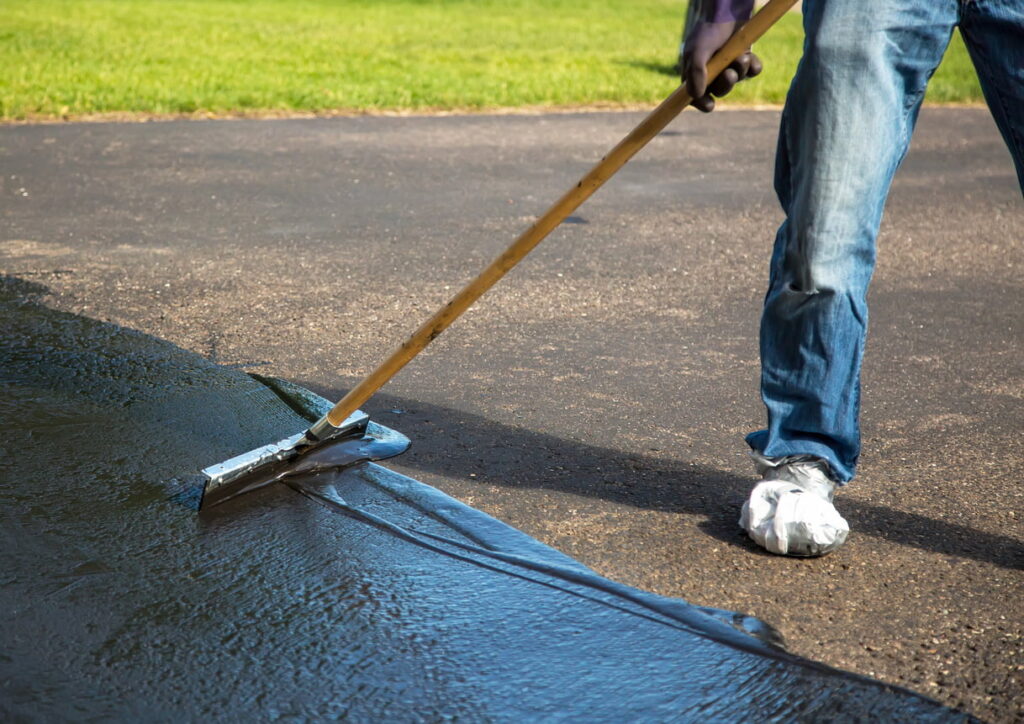
Before starting, check the sealer’s instructions. Some products require multiple coats or specific drying times between layers.
How to Seal a Driveway Step-by-Step
Sealing a driveway takes time, but the process is straightforward when done in stages. Here’s a general guide:
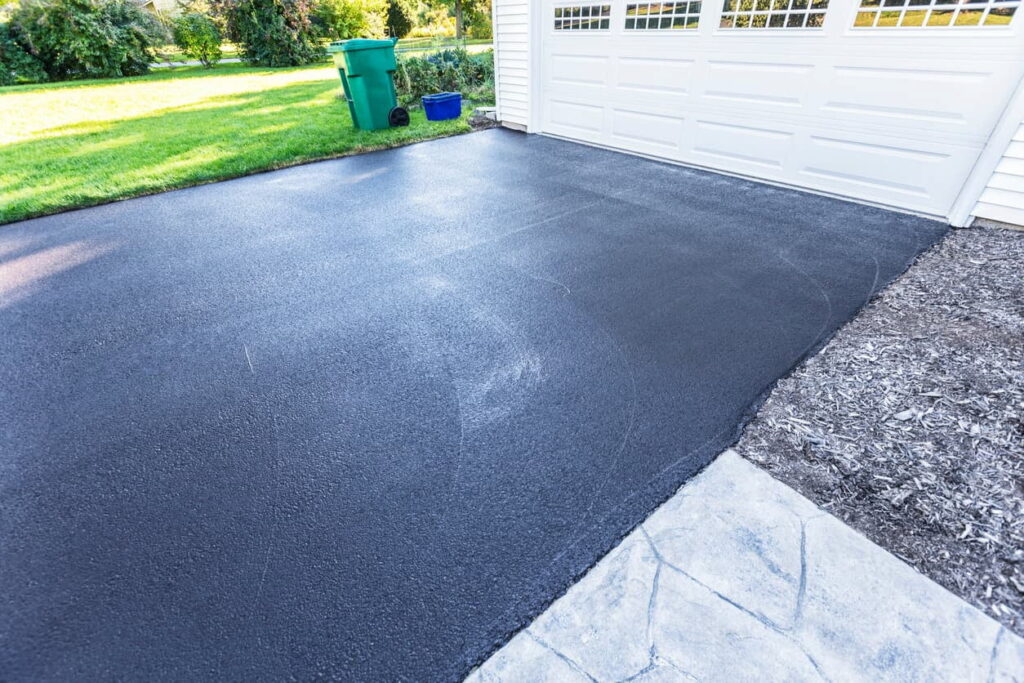
Once fully dry, your driveway will have a uniform, darker finish that helps repel water and resist surface wear.
Should You DIY or Hire a Pro to Seal Your Driveway?
Both options have benefits, and the right choice depends on your budget, time, and comfort level with hands-on projects.
DIY sealing is less expensive and typically only involves the cost of materials. It’s a good option for smaller driveways or homeowners who enjoy tackling maintenance projects themselves. However, it can be messy, physically demanding, and time-consuming. If the surface is uneven or heavily cracked, results might not last as long as a job done by a licensed contractor.
Professional sealing costs more upfront, but you’ll get a smoother finish, faster application, and higher-grade materials. Contractors also have the equipment to handle larger driveways efficiently. Many offer additional services like crack repair and line marking, saving you time and effort.
In general, if your driveway is older or shows significant wear, hiring a pro is often the smarter choice. It can be a better investment in the long run!
FAQs About Driveway Sealing
Final Thoughts
Driveway Sealing is one of the simplest ways to extend the life of your pavement and keep it looking clean year after year. A few hours of work every couple of seasons can prevent more costly repairs later.
If your driveway is starting to show signs of wear, it may be time to schedule a professional sealing service with us. Contact Driveway Sealing today to learn more or request a quote.